Why African Stories and Music Matter in Children’s Education

African Stories and music
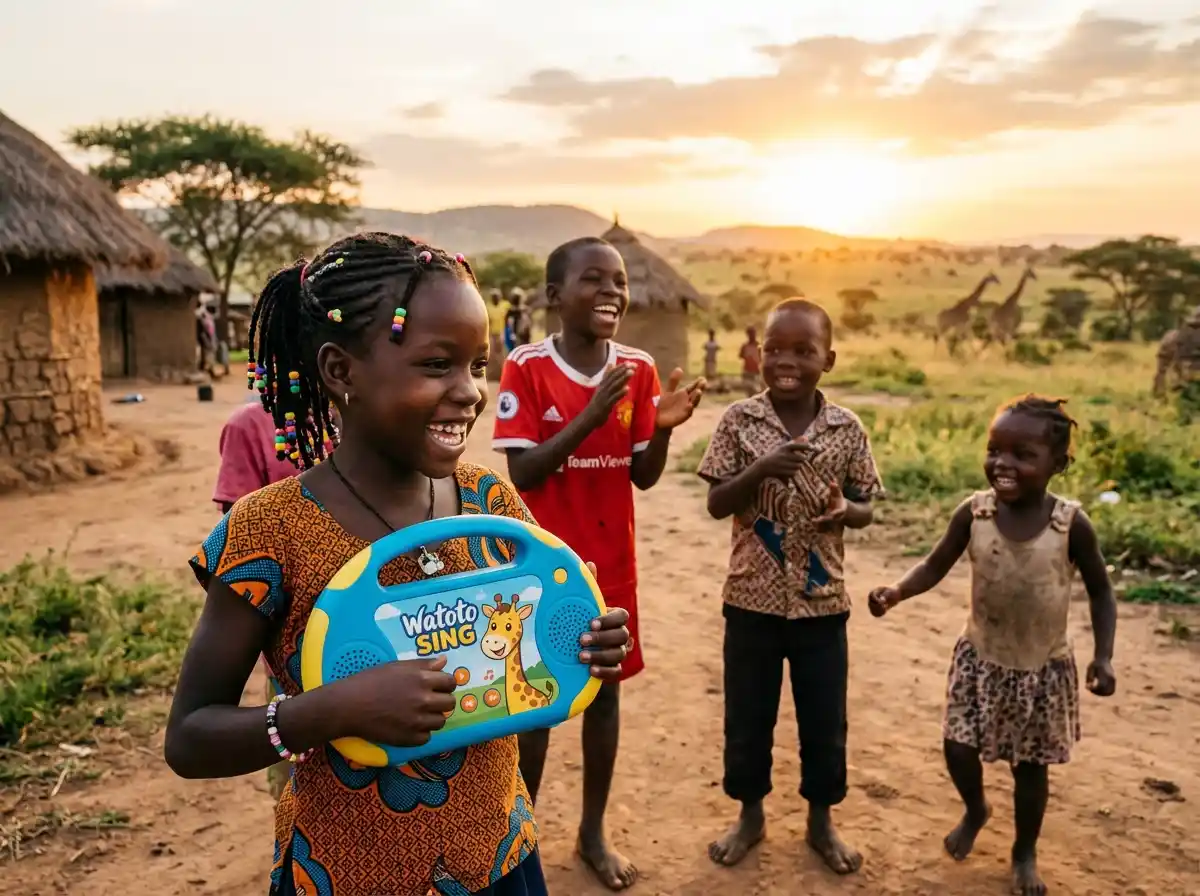
Stories and music have always been at the heart of African culture. For generations, communities have used songs, folktales, and storytelling to teach values, share knowledge, and preserve traditions. Today, these cultural treasures remain powerful tools for educating children.
At Watoto Sing, we believe that African stories and music play a vital role in helping children learn, grow, and develop a strong sense of identity in an increasingly globalized world.
1. They Help Children Understand Their Cultural Identity
Children need to know who they are and where they come from. African stories and music introduce children to their heritage, traditions, languages, and values.
By learning through culturally relevant content, children develop a sense of pride in their roots and a deeper appreciation for their communities.
2. They Teach Important Life Values
African folktales and traditional songs often contain powerful lessons about honesty, respect, responsibility, courage, kindness, and teamwork.
These lessons are presented in a simple and engaging way, making them easier for children to understand and apply in their daily lives.
3. They Make Learning More Relatable
Children learn best when educational content reflects their environment and experiences. African stories feature familiar settings, characters, animals, and situations that children can easily connect with.
This familiarity increases engagement and helps children understand concepts more effectively.
4. They Stimulate Creativity and Imagination
Stories and music encourage children to imagine, create, and think beyond what they see around them. Through storytelling, children learn problem-solving, critical thinking, and creative expression.
These skills are essential for success in education and life.
5. They Preserve Language and Heritage
Many African languages and traditions are at risk of being forgotten by younger generations. Educational stories and songs help preserve cultural knowledge by passing it from one generation to the next.
When children sing and listen to stories in African languages, they strengthen their communication skills while keeping cultural heritage alive.
6. They Build Confidence and Belonging
Children feel more confident when they see their culture, language, and experiences represented in the content they consume.
African-centered educational content helps children understand that their stories matter and that their culture has value. This sense of belonging contributes to healthy emotional development and self-esteem.
7. Preparing Children for a Global Future
Teaching children about African culture does not limit their worldview—it strengthens it. Children who understand their own identity are better prepared to appreciate and respect other cultures.
African stories and music provide a strong foundation while helping children become confident global citizens.
The Watoto Sing Approach
At Watoto Sing, we combine African storytelling, music, and creativity to create educational experiences that are both entertaining and meaningful. Our songs and stories celebrate African culture while teaching universal values that help children succeed in today’s world.
By blending tradition with innovation, we make learning fun, memorable, and relevant for the next generation.
Conclusion
African stories and music are more than cultural traditions—they are powerful educational tools that help children learn values, build confidence, develop creativity, and understand their identity.
At Watoto Sing, we are proud to use the richness of African culture to inspire young minds and shape future leaders.
Because when children learn through their own stories and songs, they learn not only with their minds—but also with their hearts.